
Excellent in humanities, life sciences, medicine, social sciences.
Germany
About Germany
Capital: Berlin
Population: 8.35 crores
President: Frank-Walter Steinmeier
Official language: German
Currency: EURO
Germany is one of the world’s richest countries. The official name is the Federal Republic of Germany also known as Deutschland. It is located in the centre of Europe. Germany is considered to be Europe’s developed country because of its strong economy in Europe. Germany ranked globally in terms of GDP, exports and imports. Germany is land of invention and known for its high-tech industry, robust research and development sector and highly skilled workforce.
Education System
Germany always attracts international student because of minimum fee in Public Universities and lowest tuition fees in Private Universities.
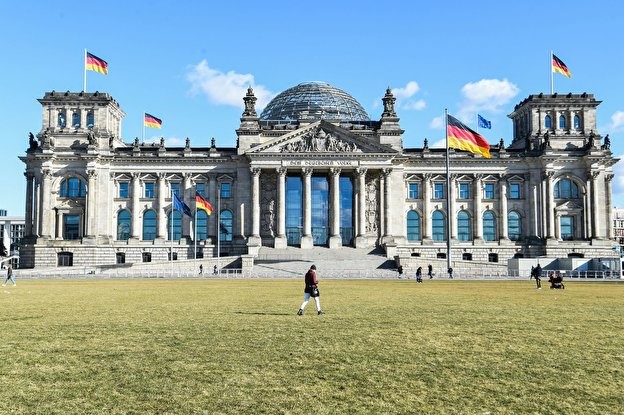
Public University
There are approximately 300 & above public universities in Germany. Some universities are traditional and mostly use German as a teaching language. Usually health, hospitality, medical related programmes are taught in Germany language. Technology, business & management, engineering courses are taught in English language. These universities are primarily funded by the government and tuition fees (administrative fees per semester) is low and have larger student populations, wide variety of academic programmes, extensive research opportunities and government oversight. These institutes have more demographically diverse student body due to more affordable tuition fees. Admission criteria are lengthy and very time consuming. Application is only processed when student is ready with all documents including VPD from https://www.uni-assist.de/en/ (6 to 8 weeks) & APS. Decision letter takes another 6 to 8 weeks. Many public universities ask for German language certificate specially if the programme is research based or PhD.
GPA Convertor Link – https://www.tum.de/en/studies/application/application-info-portal/grade-conversion-formula-for-grades-earned-outside-germany/
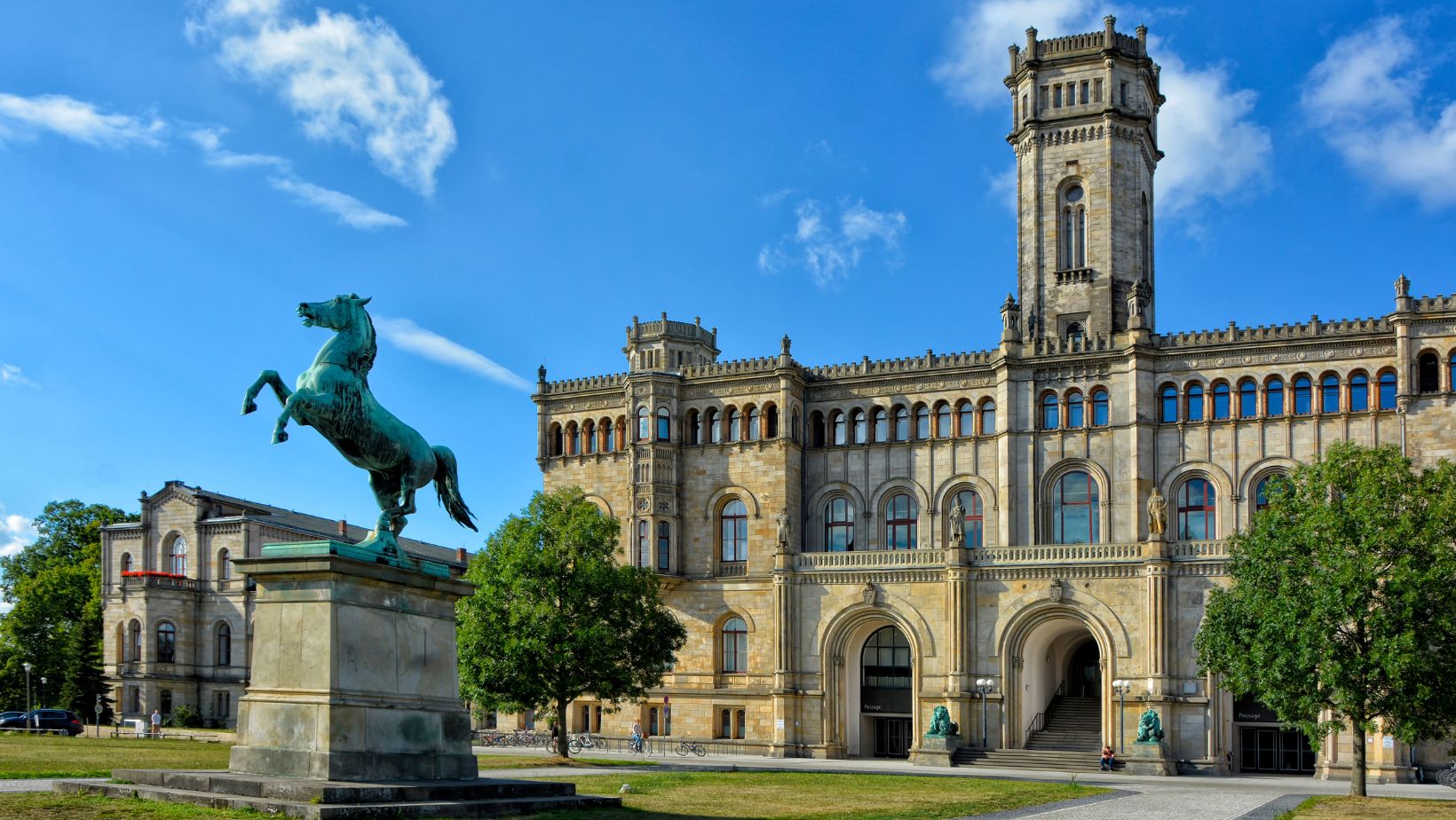
Private Universities
There are 100 and above private universities in Germany. The class sizes are comparatively smaller, so student receives personalised attention and potentially stronger industry connections, which is quite suitable for students who are looking for job opportunities and do not want to go into research further. Private universities are mostly applied sciences and other specialized vocational courses, i.e. Sports, Logistics, IT, Design, Media etc. Admission criteria are quite simple and with less documentations. There is direct application to the university and no need to go through uni-assist for VPD. Student may apply without APS & final semester result to receive a conditional admission letter to start with the funds arrangement. Admission letter issued very quickly and grants good amount of scholarship to the international students. This results in filing student visa very much in advance. No prior German language certificate are required because all courses are taught in English language.
By default, both public & private universities provide free German language course along with the main study to their international student.
Living cost remains the same for both types universities because student to open a block account to deposit 1 year living expenses (approx. 11000 to 12000 euros @ present).
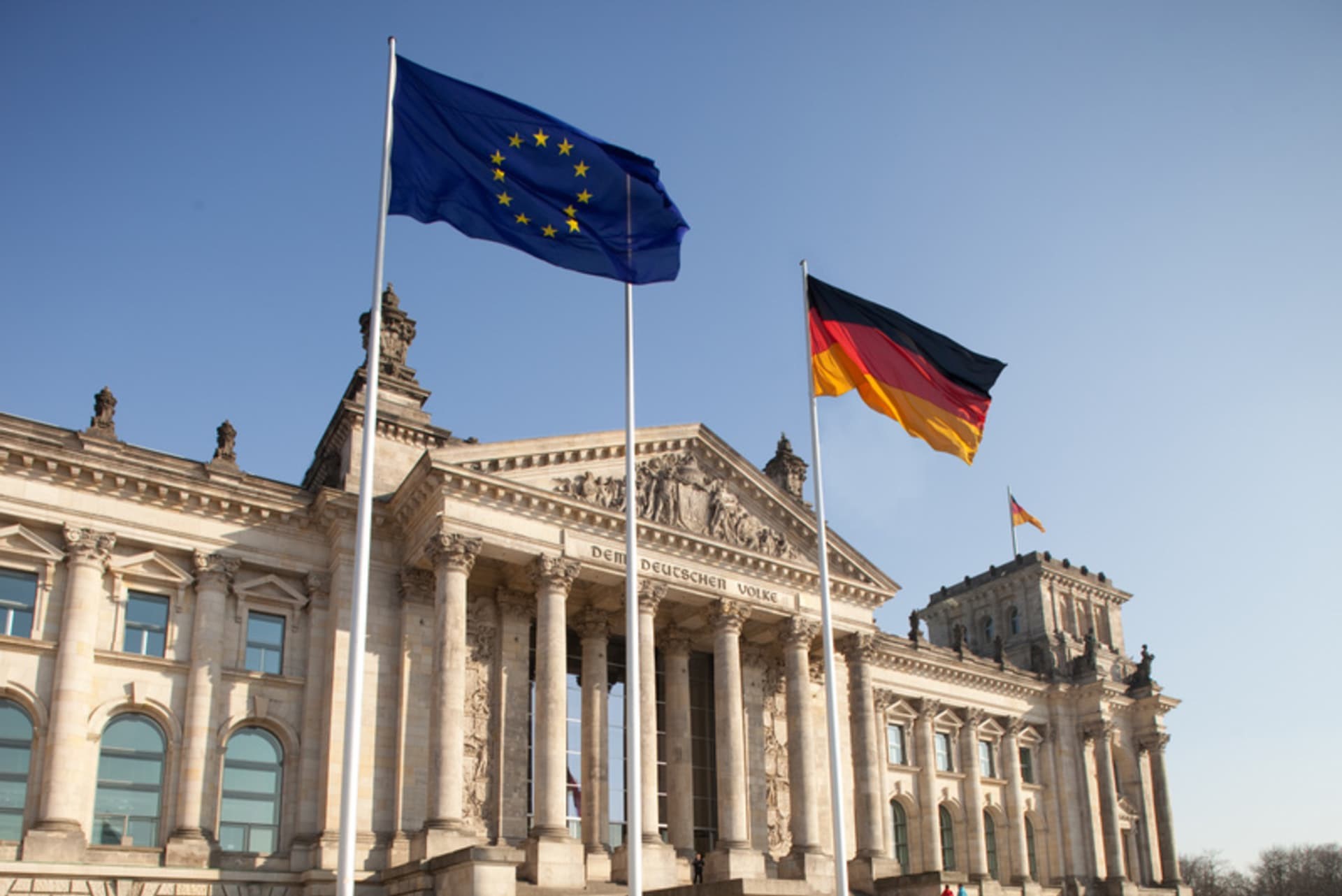
Why Choose Germany

No or Low Tuition Fees
Public universities in Germany offer free or very low-cost education for both domestic and international students.

World-Class Education
German universities are globally recognized for excellence in engineering, science, business, and research-oriented programs.

Strong Job Market
Germany has a strong economy with high demand for skilled graduates, especially in STEM and technical fields.

Wide Range of English-Taught Programs
Many universities offer bachelor's and master’s programs entirely in English, making them accessible to international students.

Innovative Research Opportunities
Germany is a global leader in research and innovation, offering students hands-on experience with advanced technology.

Cultural Diversity and High Quality of Life
A mix of modern cities and rich cultural heritage makes Germany a vibrant and safe place to live and study.
Popular Programmes Offered
- Computer Science & IT
- Engineering
- Business, Management, Economics
- Fashion Design & Luxury Brand Management
- Medicine & Health Sciences
- Hospitality & Tourism
- Psychology / Social Sciences / Humanities
- Environmental Studies, Sustainability, Renewable, Energy
Eligibility, Costs & Scholarships Under Graduate
- Bachelor’s (UG Programme): Typically 3 years (6 semesters).
- Entry Requirement: Completion of secondary school equivalent to German Abitur (e.g., A-Levels, IB, 12th grade with good academic record). Some universities may require a Studienkolleg (foundation year) if qualifications don’t directly match.
-
For German-taught programs: TestDaF, DSH, or Goethe-Zertifikat (usually B2–C1).
For English-taught programs: IELTS (minimum 6.0), TOEFL, or equivalent. - Most public universities: No tuition fees (only semester contribution ~EUR 250–400 per semester). Private universities: EUR 5,000 – 20,000 per year (varies by program).
Eligibility, Costs & Scholarships Post Graduate
- Master’s (PG Programme): 1 to 2 years full-time (2–4 semesters).
- Entry Requirement: Bachelor’s degree in a relevant field with strong GPA. Some programs may require work experience or GRE/GMAT (especially in business/management).
-
For German-taught programs: TestDaF, DSH, or Goethe-Zertifikat (B2–C1).
For English-taught programs: IELTS (minimum 6.5), TOEFL, or equivalent. - Most public universities: No tuition fees (only semester fee ~EUR 250–500). Private universities: EUR 7,000 – 25,000 per year depending on program.
Admission Requirements
Top Universities in France

Technical University of Munich
Germany; very strong in engineering, natural sciences & industry collaboration.

Ludwig Maximilian University of Munich
University of Heidelberg
Oldest universities in Germany; well known for medicine, sciences, research.

École Normale Supérieure de Lyon
One of the most prestigious institutions in France, known for producing top intellectuals in arts, humanities, and sciences.
Humboldt University of Berlin
Strong in arts, humanities, social sciences; good international reputation.
University of Bonn
Very good in mathematics, natural sciences, economics.
RWTH Aachen University
Big name in engineering, technical fields & applied research.

University of Tübingen
Strong in humanities, life sciences, medicine; part of Germany’s Excellence Universities.
Annual Intakes
- Summer (March/April)
- Winter (September/October)
Post Study Work Permit
There are 18 months post-study work permit is provided to the international student after successfully completion of their programme either from public or private university.
Part-time work
International student holding study visa for full-time study are allowed to work 20 hours per week during study and 40 hours during their vacation period.
IMPORTANT: It is advisable to learn German language in advance so that day to day life becomes easy for international student.
Scholarship Bodies of German
For more info on the scholarship we suggest students to check this portal, https://www.daad.de . DAAD (Deutscher Akademischer Austauschdienst) is world’s largest funding organisation and helping international student with the scholarship mainly for public universities. Many public universities have their own scholarship which is available for international students. Once students apply to these universities they can apply separately for the scholarship too.
Top Universities & QS World Rankings
- Technical University of Munich: 22
- Ludwig-Maximilians-Universität München: 58
- Universität Heidelberg: 80
- Freie Universität Berlin: 88
- KIT, Karlsruhe Institute of Technology: 98
- RWTH Aachen University: 105
- Humboldt-Universität zu Berlin: 130
- Technische Universität Berlin (TU Berlin): 145
- Universität Hamburg: 193
- Albert-Ludwigs-Universität Freiburg: 201
Teaching Quality & Global Recognition
Many German universities ranked globally because of its global ranking for their academic reputation and research method of teaching. German universities are in partnership with global institutions and organisations.
Job Sectors of Germany
IT & Engineering is the major job sectors in Germany and career opportunities are plenty for skilled international students post their study. The next field is Healthcare, Finance, Logistics & Supply Chain Management. Manufacture sector is quite strong specially in automotive, chemical and electrical industry.
VISA
The visa procedure is solely taken care by our expert dedicated team having experience of more than 20 years and continuing. We are assisting student to arrange their documents to process their visa. From CSP to vfs appointment, our dedicated team is taking care of visa filing. We also provide assistance for opening block account.
Financial Requirement
Student must block one-year living expense approx. EURO 12,000.00 and pay the required amount of tuition fees as per the university’s offer letter. Also, student have to make an arrangement to project for their balance tuition fees along with rest of the year’s tuition fees and living expenses.
Funds can be arranged by Education Loan from natoinalised and NBFS banks to support their total study & living cost.
German Language Tuition in Germany
We have a dedicated faculty available in Germany for language tuition. On the successful visa decision, we will share their details to connect with them for class timing and fees. They have personalised classes for student as it is quite needed because this helps student with full-time job during PSW (Post-Study Work Permit). Sometimes it also helps student to get part-time jobs easily during their study period. It is important to have proficiency in German language because this may be necessary for some professions and daily life.
VISA Requirement
Student opting for Bachelor, Masters or PhD programme, in-spite of the duration of the course they have to show funding of 1 year.
Along with Health Insurance for the total duration of the programme. OSHC, overseas student health cover as per the admission letter.
- Education Loan from recognised Government bank accepted.
- Student can show sponsorship from their parent
- Saving account statement (last 3-month)
- Fixed deposit (older than 3 months)
- Other semi liquid assets such as, PPF, GPF, Bond, Shares can be shown in saving account
Important Facts & Figures
- Over 367,590 international students enrolled annually. Almost 50% of international student enrol in the Engineering related course annually.
- Germany is 3rd most popular destination for study among international students.
- The tuition fees range from €100 – €300 per semester in public universities.
- Retention rate is approx. 46% international student remaining in the country for 10 years after starting their study.
- 18 months post-study work permit is provided to the international student after successfully completion of their programme either from public or private university of UG, PG or PhD level.
- International student holding study visa for full-time study are allowed to work 20 hours per week during study and 40 hours during their vacation period.
IMPORTANT: It is advisable to learn German language in advance so that day to day life becomes easy for international student.
Climatic Condition
The climatic condition is quite moderate here and weather varies different as per the geographical structure.
Northwest: Temperature is very mild compare to southern part year-around. Because of maritime the climate with mild, cloudy winters and warm summer. In the month of July, the average temperature is 16°C – 18°C.
Inland: This area witnesses greater temperature swings between seasons, meaning colder winters and warmer summers compared to the coast.
South: This area witnesses most variations, i.e., colder winters, warmer summer than the north.
Annual Intakes
- Summer (March/April)
- Winter (September/October)
Post Study Work Permit
There are 18 months post-study work permit is provided to the international student after successfully completion of their programme either from public or private university.
Part-time work
International student holding study visa for full-time study are allowed to work 20 hours per week during study and 40 hours during their vacation period.
IMPORTANT: It is advisable to learn German language in advance so that day to day life becomes easy for international student.
Scholarship Bodies of German
For more info on the scholarship we suggest students to check this portal, https://www.daad.de . DAAD (Deutscher Akademischer Austauschdienst) is world’s largest funding organisation and helping international student with the scholarship mainly for public universities. Many public universities have their own scholarship which is available for international students. Once students apply to these universities they can apply separately for the scholarship too.
Top Universities & QS World Rankings
- Technical University of Munich: 22
- Ludwig-Maximilians-Universität München: 58
- Universität Heidelberg: 80
- Freie Universität Berlin: 88
- KIT, Karlsruhe Institute of Technology: 98
- RWTH Aachen University: 105
- Humboldt-Universität zu Berlin: 130
- Technische Universität Berlin (TU Berlin): 145
- Universität Hamburg: 193
- Albert-Ludwigs-Universität Freiburg: 201
Teaching Quality & Global Recognition
Many German universities ranked globally because of its global ranking for their academic reputation and research method of teaching. German universities are in partnership with global institutions and organisations.
Job Sectors of Germany
IT & Engineering is the major job sectors in Germany and career opportunities are plenty for skilled international students post their study. The next field is Healthcare, Finance, Logistics & Supply Chain Management. Manufacture sector is quite strong specially in automotive, chemical and electrical industry.
VISA
The visa procedure is solely taken care by our expert dedicated team having experience of more than 20 years and continuing. We are assisting student to arrange their documents to process their visa. From CSP to vfs appointment, our dedicated team is taking care of visa filing. We also provide assistance for opening block account.
Financial Requirement
Student must block one-year living expense approx. EURO 12,000.00 and pay the required amount of tuition fees as per the university’s offer letter. Also, student have to make an arrangement to project for their balance tuition fees along with rest of the year’s tuition fees and living expenses.
Funds can be arranged by Education Loan from natoinalised and NBFS banks to support their total study & living cost.
German Language Tuition in Germany
We have a dedicated faculty available in Germany for language tuition. On the successful visa decision, we will share their details to connect with them for class timing and fees. They have personalised classes for student as it is quite needed because this helps student with full-time job during PSW (Post-Study Work Permit). Sometimes it also helps student to get part-time jobs easily during their study period. It is important to have proficiency in German language because this may be necessary for some professions and daily life.
Important Facts & Figures
- Over 367,590 international students enrolled annually. Almost 50% of international student enrol in the Engineering related course annually.
- Germany is 3rd most popular destination for study among international students.
- The tuition fees range from €100 – €300 per semester in public universities.
- Retention rate is approx. 46% international student remaining in the country for 10 years after starting their study.
- 18 months post-study work permit is provided to the international student after successfully completion of their programme either from public or private university of UG, PG or PhD level.
- International student holding study visa for full-time study are allowed to work 20 hours per week during study and 40 hours during their vacation period.
IMPORTANT: It is advisable to learn German language in advance so that day to day life becomes easy for international student.
Climatic Condition
The climatic condition is quite moderate here and weather varies different as per the geographical structure.
Northwest: Temperature is very mild compare to southern part year-around. Because of maritime the climate with mild, cloudy winters and warm summer. In the month of July, the average temperature is 16°C – 18°C.
Inland: This area witnesses greater temperature swings between seasons, meaning colder winters and warmer summers compared to the coast.
South: This area witnesses most variations, i.e., colder winters, warmer summer than the north.